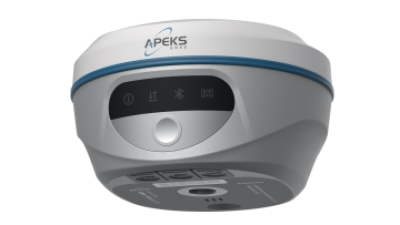
inquiry
Leave Your Message
0%

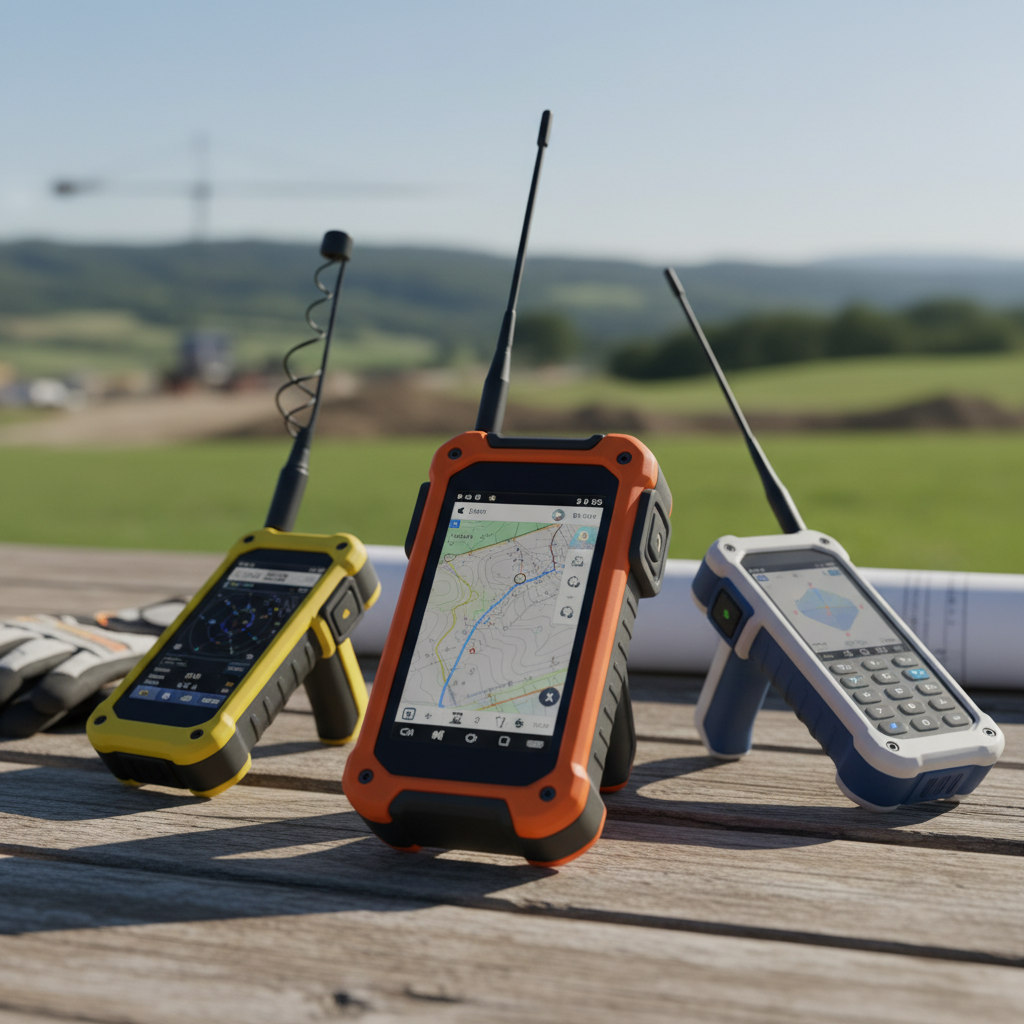
Surveying tech just keeps getting better, right? And today, more than ever, folks really need tools that are both accurate and easy to use. Looking ahead to 2025, one device that's really making waves is the Handheld Rtk Gnss — you know, the real-time satellite positioning system. It’s pretty amazing how these gadgets pack advanced precision into something you can easily carry around. Surveyors love them because they make collecting geospatial data not just more accurate, but also way more convenient. But with so many options out there, choosing the right one can feel a bit overwhelming — like trying to pick your favorite in a big lineup.
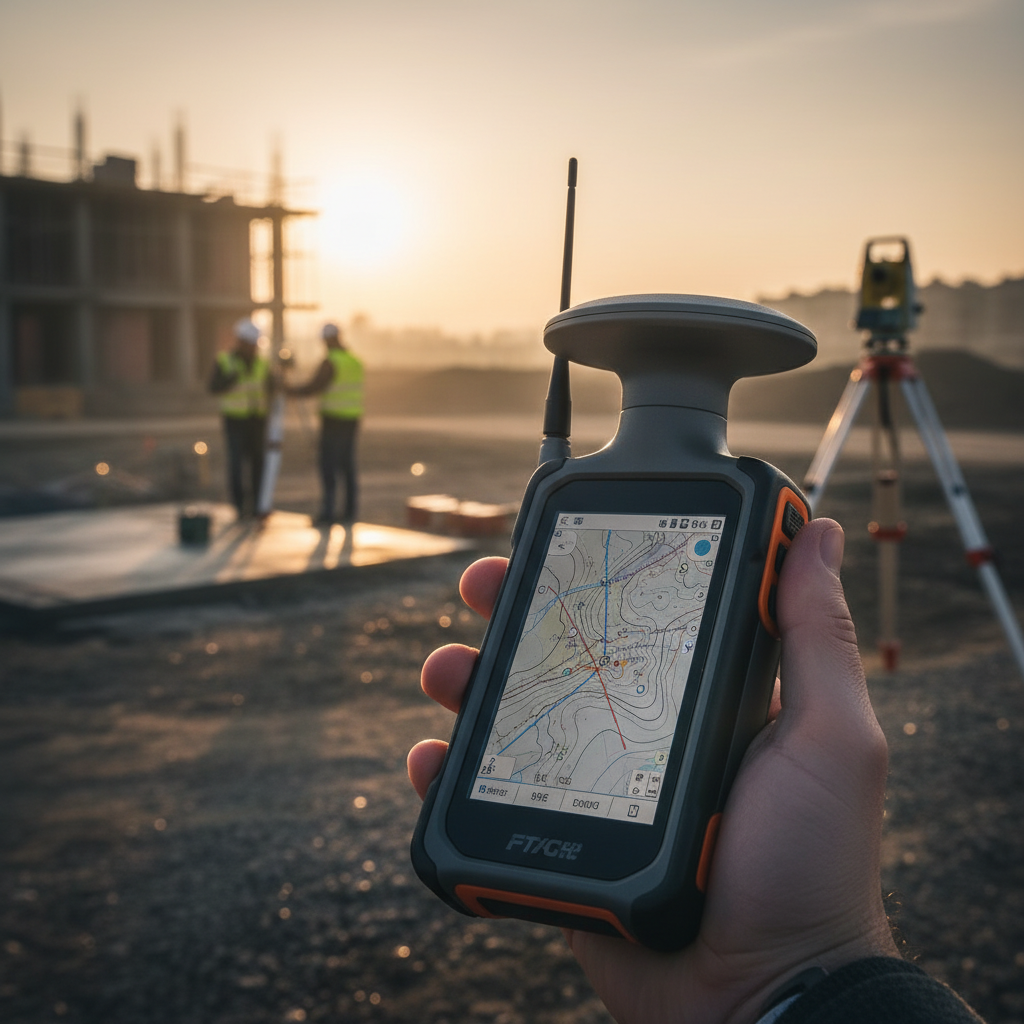
2025 How to Choose the Best Handheld RTK GNSS for Your Surveying Needs

So, in this guide, I want to walk you through the top five handheld RTK GNSS units to watch for in 2025. We’ll go over their standout features, how they perform, and whether they’re worth the investment. We’ll peek into what leading brands like Trimble, Leica Geosystems, and Topcon are offering — because they’re constantly pushing the envelope with new tech. No matter if you're into construction, land surveying, or farming, knowing what makes each device unique can really help you pick the perfect tool. Hopefully, this helps you make smarter choices and make your surveying work a lot smoother and more accurate.

Hope that gives a more natural, conversational vibe!

Key Features to Consider in Handheld RTK GNSS Devices

When selecting the best handheld RTK Gnss Device for your surveying needs, it's crucial to consider several key features that can significantly impact performance and ease of use. Firstly, accuracy is paramount; an ideal device should provide centimeter-level precision, which is essential for high-stakes projects. Look for devices that utilize multiple frequency signals and advanced correction technologies, such as real-time kinematic positioning (RTK), to ensure optimal accuracy in various environments.

Another important feature to consider is battery life. Surveying tasks often extend over long hours, making a device with an extended battery life advantageous. Additionally, the durability and weight of the handheld unit should not be overlooked. A rugged design ensures that the device can withstand harsh weather conditions and fieldwork challenges, while a lightweight structure enhances portability and user comfort during extended use. Finally, user-friendly interfaces and software compatibility can streamline data collection and processing, making your surveying tasks more efficient and productive.

2025 How to Choose the Best Handheld RTK GNSS for Your Surveying Needs - Key Features to Consider in Handheld RTK GNSS Devices

Feature Description Importance Typical Range
Precision Accuracy of position readings High 1-2 cm
Connectivity Options for wireless data transfer Medium Bluetooth, Wi-Fi
Battery Life Duration of operation on a single charge High 8-20 hours
Durability Resistance to environmental factors Medium IP67 Rating
User Interface Ease of use and accessibility of features High Touchscreen, Intuitive Menu

Top Brands Dominating the Handheld RTK GNSS Market in 2025

2025 How to Choose the Best Handheld RTK GNSS for Your Surveying Needs

In 2025, the handheld RTK GNSS market is largely defined by a few top brands that dominate the landscape with their innovative technology and reliability. Companies like Trimble, Leica Geosystems, and GIS Surveyor are leading the charge, offering devices that range from budget-friendly options to high-end models designed for professional surveyors. Each brand distinguishes itself with unique features such as enhanced accuracy, durability, and user-friendly interfaces, catering to a variety of surveying needs.

When selecting the best handheld RTK GNSS for your requirements, consider the following tips. First, assess the accuracy levels you need for your projects, as different models come with varying precision. Next, think about the environmental conditions you'll be working in; rugged models may be necessary for challenging outdoor conditions. Lastly, don’t overlook the importance of software compatibility; make sure the device integrates seamlessly with your existing workflow.

Additionally, look for brands with strong customer support and warranty services. Investing in a handheld RTK GNSS is significant, and having reliable support can help you troubleshoot any issues that arise during your projects. With these considerations in mind, you can make an informed choice in a landscape of competitive options.

Budget Considerations for Purchasing Handheld RTK GNSS Units

When considering the purchase of a handheld RTK GNSS unit for your surveying needs, budget is a crucial factor that cannot be overlooked. These devices come in a wide range of prices, typically influenced by their accuracy, functionality, and the technology employed. Establishing a clear budget from the outset will help narrow your options and avoid overspending on features that may not be essential for your specific surveying tasks.

It's essential to evaluate what you truly need in a handheld RTK GNSS unit. For simpler projects, a more economical model might suffice, while complex surveys or professional use may justify investing in high-end units that offer superior accuracy and additional features such as user-friendly interfaces or advanced data processing capabilities. Additionally, consider not only the upfront cost but also any recurring expenses associated with software licenses, maintenance, and potential upgrades. By aligning your budget with your surveying requirements, you can make an informed decision that balances functionality and cost-effectiveness.

Comparative Analysis of the Best Handheld RTK GNSS Models

When selecting the best handheld RTK GNSS for your surveying needs, it’s essential to conduct a comparative analysis of available models. According to recent industry reports, the global market for Gnss Equipment is expected to reach USD 7.8 billion by 2025, driven by advancements in positioning technology and growing demand in construction, agriculture, and mapping sectors. Different models, like the Topcon HiPer SR and the Trimble R12, present features such as multi-frequency tracking and compatibility with various correction signals, which can substantially affect the accuracy and efficiency of your surveys.

Tips for selection include assessing the maximum operating range and accuracy specifications that align with your project requirements. Additionally, consider the operational ease and software compatibility that can streamline your workflow. The durability and weather resistance of handheld models are also crucial for outdoor fieldwork, ensuring reliable performance in diverse environmental conditions.

At Shanghai Apekstool (APEKS), we pride ourselves on providing innovative geospatial surveying solutions tailored to your specific needs. With our comprehensive selection of GNSS systems and accessories, we aim to equip surveying professionals with the tools necessary for precision and efficiency in their projects.

User Reviews and Ratings: What Customers Are Saying

When choosing the best handheld RTK GNSS for your surveying needs, user reviews and ratings can significantly influence your decision. Many customers emphasize the importance of accuracy and reliability in their reviews, highlighting how certain models excel in providing precise measurements even in challenging environments. Users often discuss battery life, portability, and ease of use, noting that these factors can enhance productivity during lengthy surveying tasks.

**Tip:** When reading user reviews, pay special attention to feedback regarding customer support and warranty options. A product backed by responsive customer service can make a significant difference in your overall satisfaction, especially if you encounter any issues.

Another valuable insight from users is the compatibility of handheld GNSS devices with various surveying software. Many customers appreciate models that seamlessly integrate with their existing tools, allowing for a smoother workflow. Reviews frequently mention the value of features like real-time data streaming and user-friendly interfaces, which can greatly enhance the surveying experience.

**Tip:** Consider downloading trial versions of compatible software before making a decision. This can help you gauge how well the device you’re interested in aligns with your specific surveying requirements.

2025 User Ratings for Handheld RTK GNSS Devices

This chart displays user ratings for various handheld RTK GNSS devices based on customer feedback. The ratings range from 1 to 5, with 5 being the highest satisfaction level.

Upcoming Technologies in Handheld RTK GNSS Systems for Surveying

2025 How to Choose the Best Handheld RTK GNSS for Your Surveying Needs

The landscape of surveying technology is evolving rapidly, and handheld RTK GNSS systems are at the forefront of this transformation. Upcoming technologies in these systems promise to enhance accuracy, efficiency, and user experience in various surveying applications. Integration of advanced algorithms and artificial intelligence will allow for real-time data processing and improved positioning accuracy, even in challenging environments such as urban canyons and dense foliage. As a result, surveyors can expect more reliable results with reduced post-processing time.

Moreover, the development of cloud-based solutions will streamline data management and collaboration among project teams. These platforms will enable surveyors to access, share, and analyze data seamlessly from remote locations. Enhanced connectivity features, such as 5G support and integrated Wi-Fi capabilities, will facilitate instant data streaming and updates. Additionally, innovations in battery technology are on the horizon, potentially extending the operational hours of handheld devices and making them indispensable tools for fieldwork. As these technologies emerge, they will play a crucial role in shaping the future of surveying and ensuring that professionals can meet the increasing demands of their projects.

Transforming Precision: The AP30 Laser Dual-Cameras RTK GNSS Receiver with Cutting-Edge Technologies in Surveying and Mapping

The AP30 Laser Dual-Cameras RTK GNSS Receiver represents a significant advancement in surveying and mapping technologies, seamlessly blending cutting-edge innovation with precision measurement. With its incorporation of the latest GNSS and Super IMU technologies, the AP30 offers unparalleled accuracy that is crucial for professionals in various fields including construction, agriculture, and environmental studies. According to a recent report by MarketsandMarkets, the global GNSS market is projected to reach $503 billion by 2025, demonstrating the increasing reliance on precision measurement tools in various industries.

One of the standout features of the AP30 is its millimeter-level green laser technology, enabling it to capture highly accurate spatial data in real-time. This technology is particularly beneficial for urban and construction applications, where precision is paramount. The addition of dual cameras further enhances the data collection process, allowing users to create detailed 3D models and maps that are vital for modern surveying projects. Research from the International Association of Geodesy highlights that integrating advanced laser technologies within GNSS systems can improve data accuracy by up to 50%, showcasing the transformative potential of products like the AP30.

As the demand for precise and efficient surveying solutions grows, the AP30 is poised to meet these needs by offering a sophisticated tool that integrates state-of-the-art technologies. Its ability to provide high-resolution data while simplifying the surveying process makes it an indispensable asset for professionals striving to stay ahead in a competitive landscape. The evolving GNSS technology landscape, as outlined by the European GNSS Agency, emphasizes the necessity of such innovations, highlighting the AP30 as a key player in shaping the future of surveying and mapping.

FAQS

: What factors influence the price of handheld RTK GNSS units?

: The price is typically influenced by factors such as accuracy, functionality, and the technology employed in the devices.

How can I determine the right budget for a handheld RTK GNSS unit?

Establishing a clear budget from the outset based on your specific surveying needs will help narrow your options and avoid overspending.

Are there cheaper models available for simpler surveying projects?

Yes, for simpler projects, a more economical model may suffice, while complex surveys might require investing in high-end units.

What recurring expenses should I consider when budgeting for a handheld RTK GNSS unit?

In addition to the upfront cost, consider recurring expenses associated with software licenses, maintenance, and potential upgrades.

What advancements are expected in handheld RTK GNSS systems?

Upcoming technologies include integration of advanced algorithms and AI for real-time data processing, improved accuracy, and better user experience.

How will cloud-based solutions impact surveying work?

Cloud-based solutions will streamline data management and collaboration, enabling surveyors to access, share, and analyze data from remote locations.

What connectivity features are expected in future handheld RTK GNSS units?

Enhanced connectivity features, such as 5G support and integrated Wi-Fi capabilities, will facilitate instant data streaming and updates.

How will battery technology innovations benefit handheld RTK GNSS units?

Innovations in battery technology may extend the operational hours of handheld devices, making them more effective for fieldwork.

What benefits do advanced algorithms and AI bring to surveying?

They improve positioning accuracy and reduce post-processing time, especially in challenging environments like urban canyons and dense foliage.

Why is it important to align your budget with surveying requirements?

Aligning your budget with your requirements helps you make an informed decision that balances functionality with cost-effectiveness.

Conclusion

The article "2025 How to Choose the Best Handheld RTK GNSS for Your Surveying Needs" provides comprehensive guidance for selecting the ideal handheld RTK GNSS devices tailored to surveyors' specifications. Key features such as accuracy, durability, connectivity, and user-friendly interfaces are crucial when evaluating different models. The article also highlights the top brands leading the handheld RTK GNSS market in 2025, with a focus on their unique offerings and technological advancements.

Additionally, it discusses budget considerations, helping potential buyers make informed decisions without compromising on quality. A comparative analysis of the best handheld RTK GNSS models is provided, alongside user reviews and ratings to gauge customer satisfaction. Lastly, the article looks ahead to upcoming technologies in handheld RTK GNSS systems, underscoring the continued evolution in geospatial surveying tools that companies like Shanghai Apekstool (APEKS) can leverage to meet the growing demands of the industry.
Isabella

Isabella

Isabella is a dedicated marketing professional at Shanghai Apekstool (APEKS), where her expertise in innovative geospatial surveying and mapping products shines. With a deep understanding of the company's core offerings, which include GNSS/GPS systems, total stations, levels, theodolites, and......
Previous Top 10 RTK Col Antenna Manufacturers from China at the 137th Canton Fair